-

Google’s Trajectory: 2026 and Beyond
AI is shifting from tool to utility. Agentic AI Becomes the Default Interface 2026 prediction: Expect Google Search to become agentic by default. Not “here are 10 links” – more like “I booked the restaurant, here’s the confirmation.” Operator-style functionality baked into Search and Gemini app. Gemini 4 Likely Late 2026 The pattern is clear:…
-
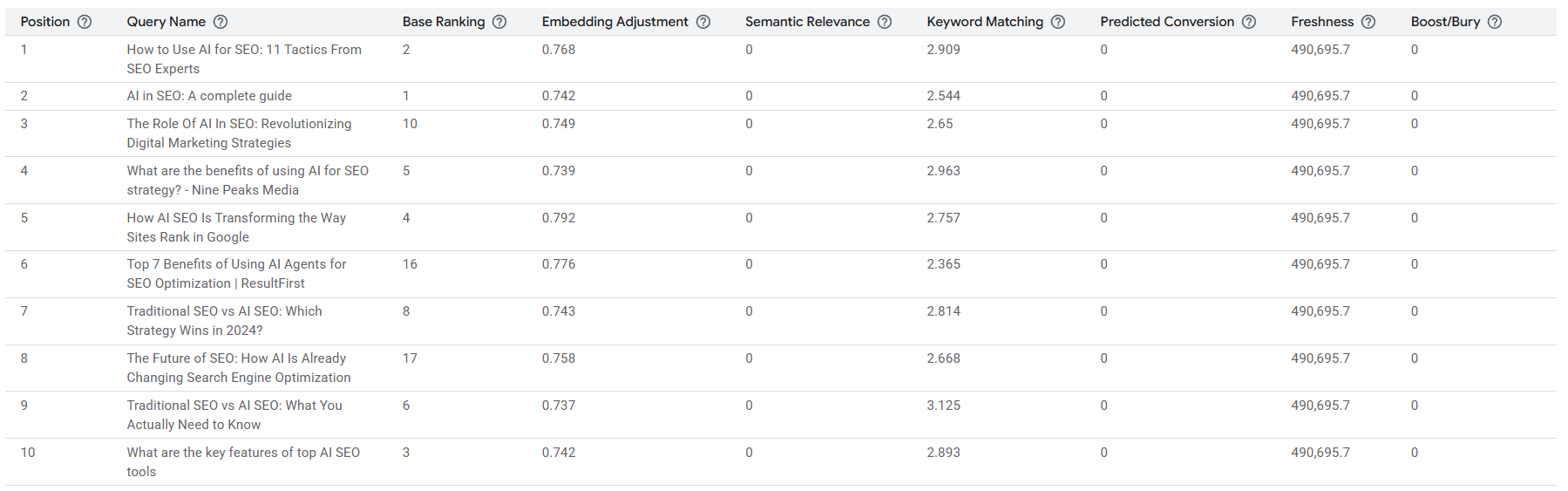
Google’s Ranking Signals
Popularity Popularity signals are derived from user interactions based on ingested user events. The more the users interact with a document, the stronger the boosts are. These data requirements check the overall readiness of your events to generate the popularity signals. This is regardless of the specific search app that you choose. Predicted CTR model…
-
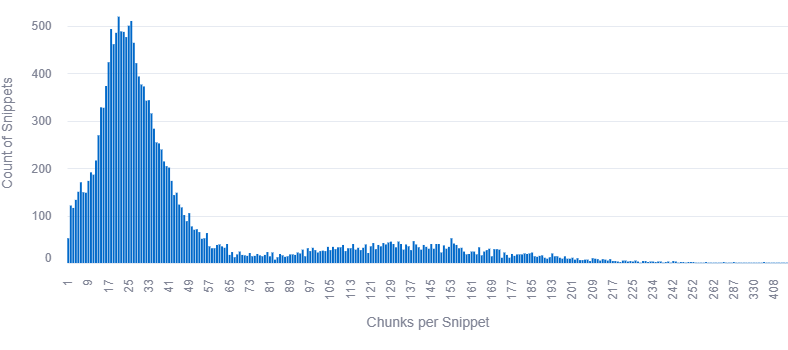
How big are Google’s grounding chunks?
Note: Highlighted bits of this article indicate the parts used to ground Gemini with article title as prompt. Our prior analysis showed that Google doesn’t use your full page content when grounding its Gemini-powered AI systems. Now we have substantially more data to share, specifically around how much content gets selected and what determines that…
-

Google’s AI Uses Schema?
Article updated thanks to a sharp observation from Lukasz Rogala who makes my claim less certain and putting us back in the “needs more evidence category”. There’s some evidence Google uses structured data to ground Gemini in its AI search. If true this is good news for AI SEO people and vindication for schema advocates…
-
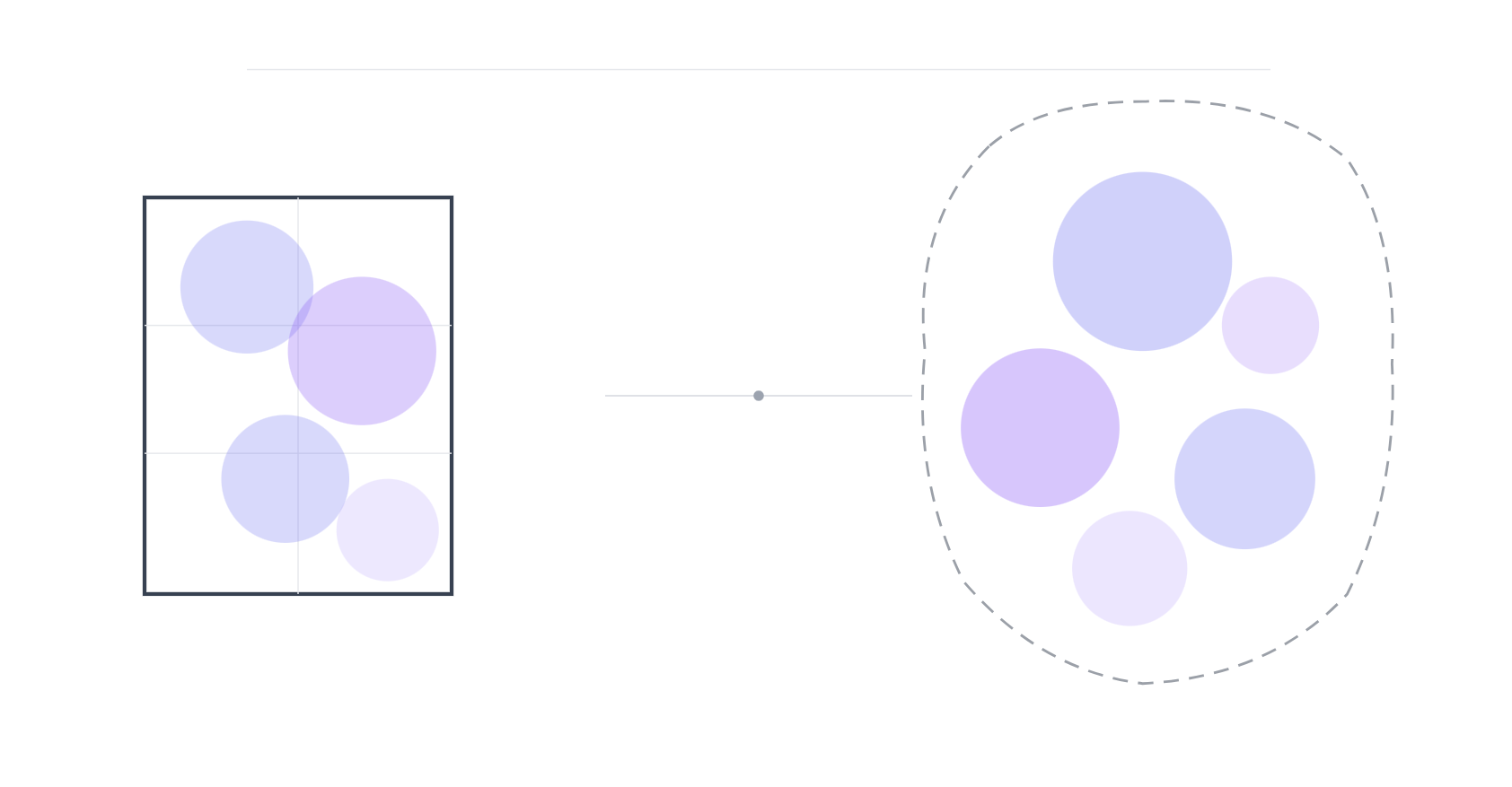
Dynamic Visual Layouts
Dynamic visual layout (DVL) is a class of generative user interface which acts as an ephemeral information substrate. For two decades, SEO has been about fitting information into layouts. The blog post template. The product page schema. The FAQ accordion. The listicle format. We optimized content for containers that existed before the content did. Google…
-
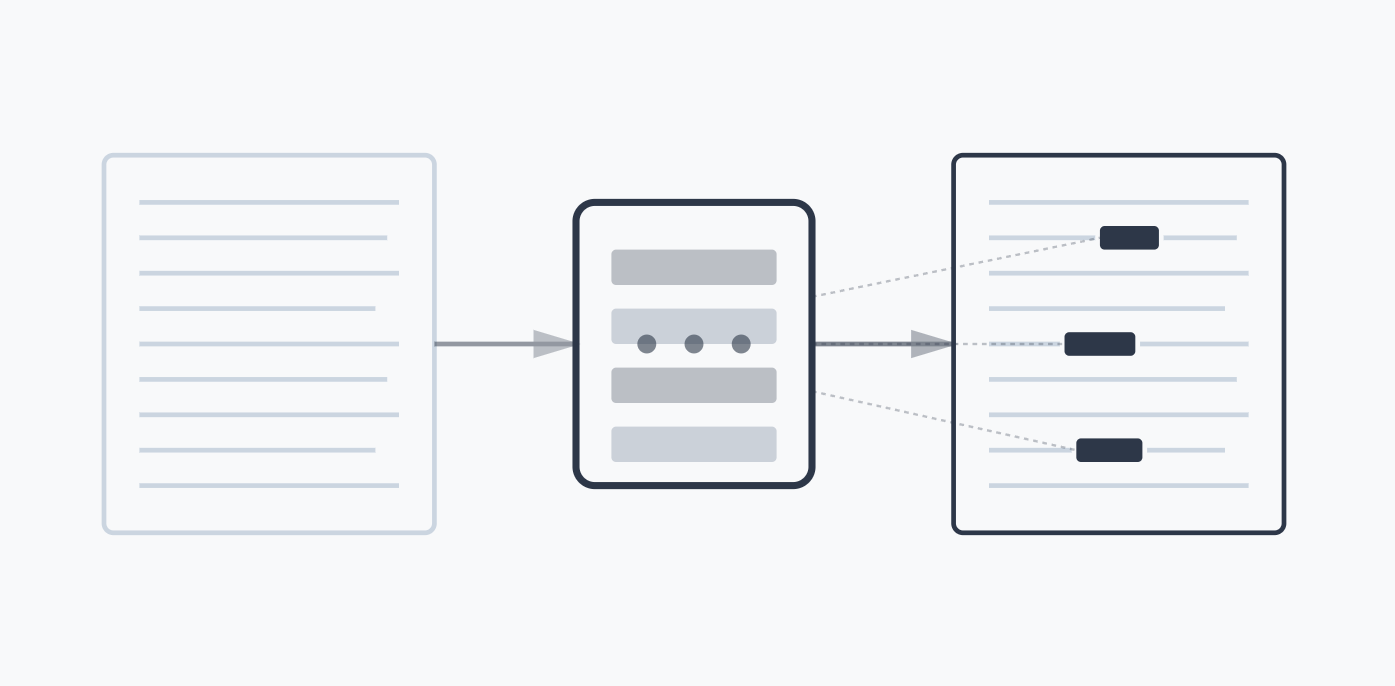
Grounding Snippet Extraction Tool
You can rank #1 and still be invisible to AI search. That’s the uncomfortable truth of the AI Mode era. Google’s AI doesn’t just look at your page, it extracts specific sentences, evaluates them against the query, and decides whether your content deserves to ground its answer. The rest of your carefully crafted copy? Find…
-
How Long Are Web Pages?
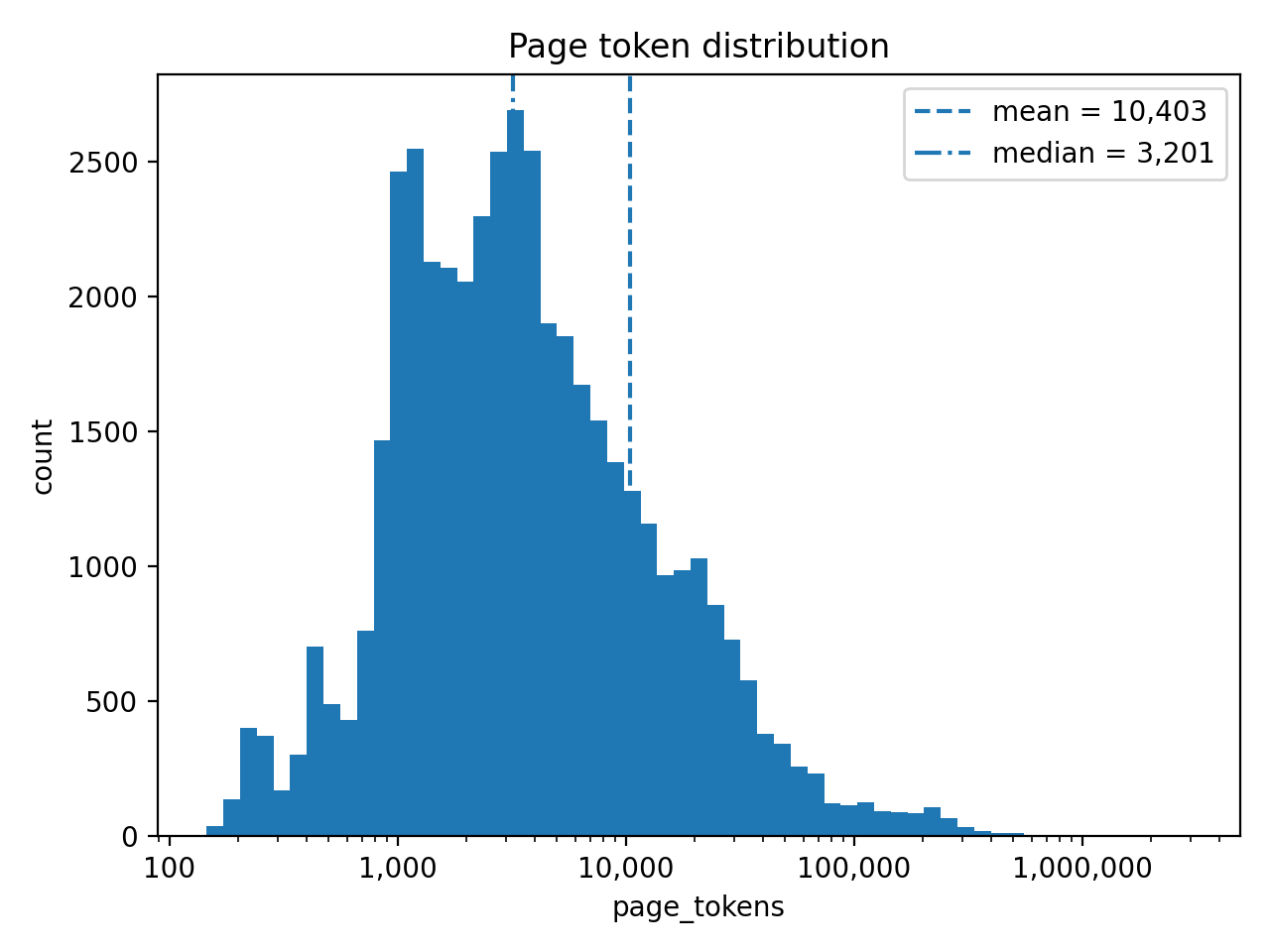
A Token Count Analysis of 45,000 Real-World URLs We recently analyzed 44,684 web pages and measured their content length using Gemini’s token counter. The results reveal fascinating insights about the true scale of web content—and why it matters for AI applications. Metric Value Total Pages Analyzed 44,684 Page Content Tokens 464,854,727 Total Tokens (all) 541,062,817 The median…
-
Google AI Search Update: Completely New Grounding Format
Gemini’s grounding context has a completely new format which I don’t fully understand yet. It seems custom to different prompt types and breaks outside the old index 1, index 2…etc model. Sharing the discovery for now hoping to hear more from the community and add to it later. Prompt: Dan Petrovic latest articles BEFORE NOW…
-
AI Mode, Content & Search Index
Our tests show that Google’s AI Mode doesn’t retrieve page content from the live web during the query fan out process. Instead, it gets it from somewhere else, and that “somewhere else” appears to be a proprietary content store separate from the search index. How do we know this? We just found a case where…
-
How user prompts shape your content visibility in AI search.
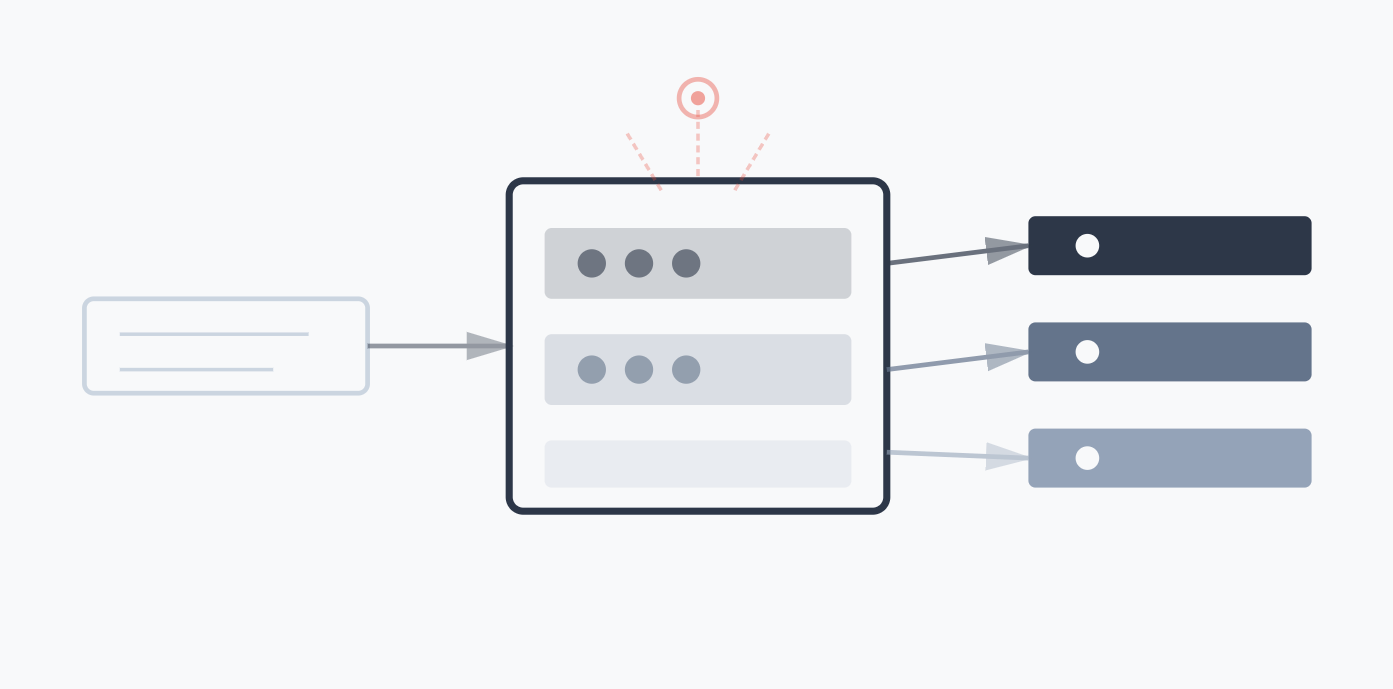
A single article. Seven different queries. Radically different passages surfaced. This isn’t a bug. It’s the ranker doing exactly what it’s supposed to do—and it reveals something important about how content actually gets discovered in AI search. The Data We ran seven query variations against one health article about teas for ulcerative colitis. The article…