
Category: Mechanistic Interpretability
-
OpenAI’s Sparse Circuits Breakthrough and What It Means for AI SEO
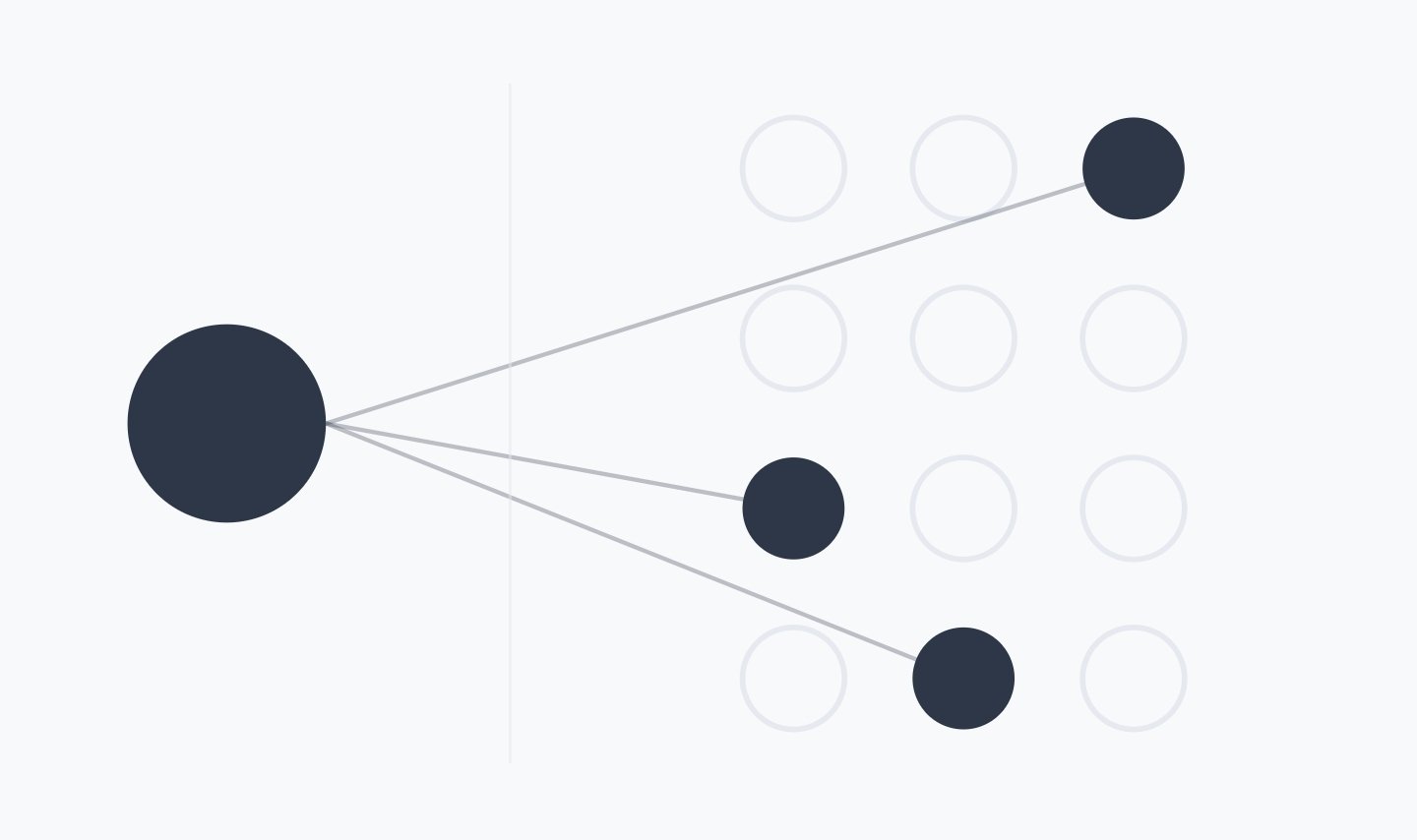
OpenAI recently released research showing that AI models can be built with far fewer active connections inside them. This makes them easier to understand because each part of the model does fewer things and is less tangled up with everything else. Think of it like taking a spaghetti bowl and straightening the noodles into clean,…
-
Introducing Tree Walker
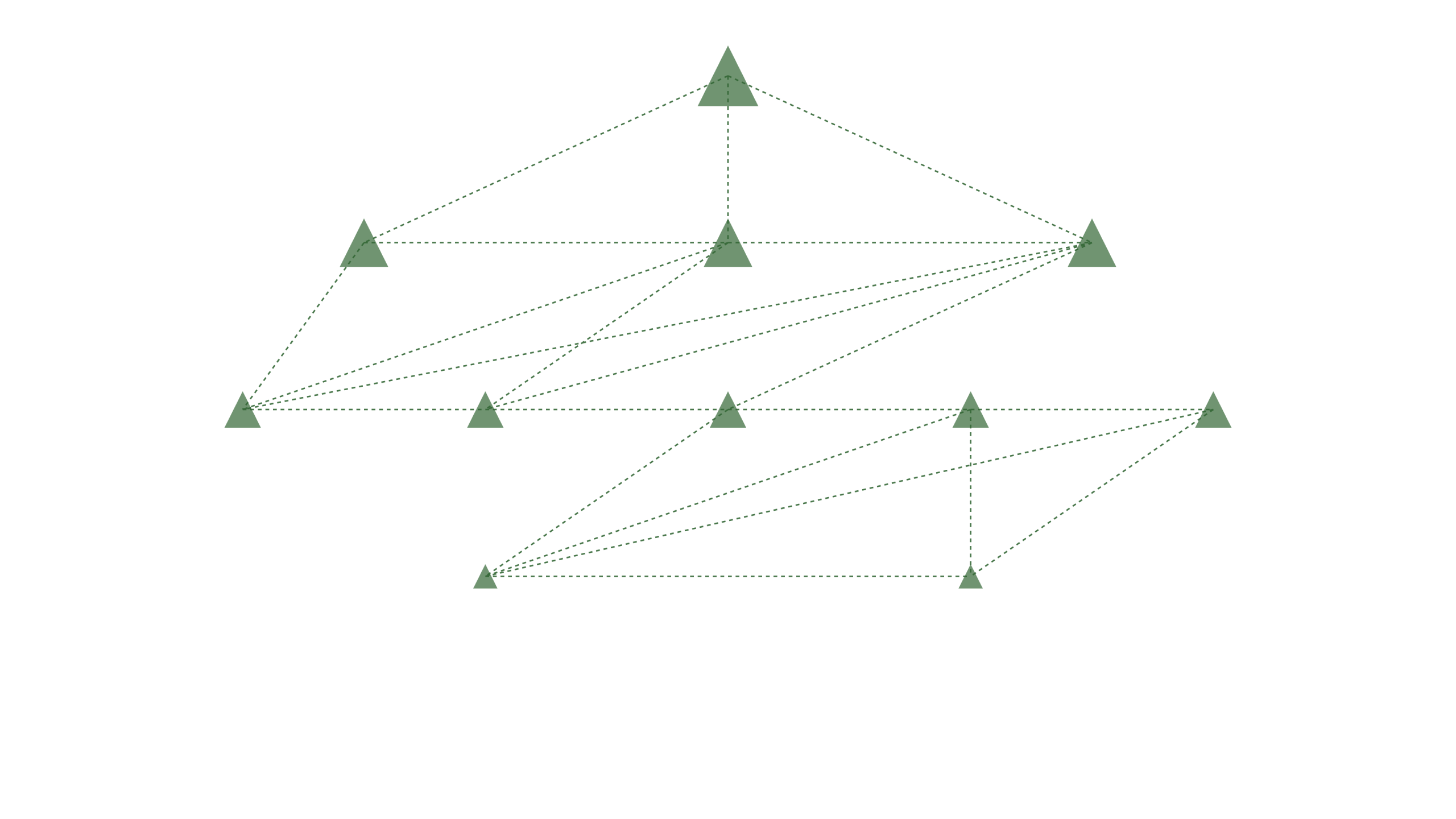
Stop Guessing, Start Optimizing. Introducing Tree Walker for the New Era of AI Search The digital marketing landscape is in the midst of a seismic shift. With the rise of AI-powered search engines and generative experiences, the old rules of SEO are being rewritten. Marketers and content strategists are asking the same urgent question: “How…
-
Training Gemma‑3‑1B Embedding Model with LoRA
In our previous post, Training a Query Fan-Out Model, we demonstrated how to generate millions of high-quality query reformulations without human labelling, by navigating the embedding space between a seed query and its target document and then decoding each intermediate vector back into text using a trained query decoder. That decoder’s success critically depends on…
-
Training a Query Fan-Out Model
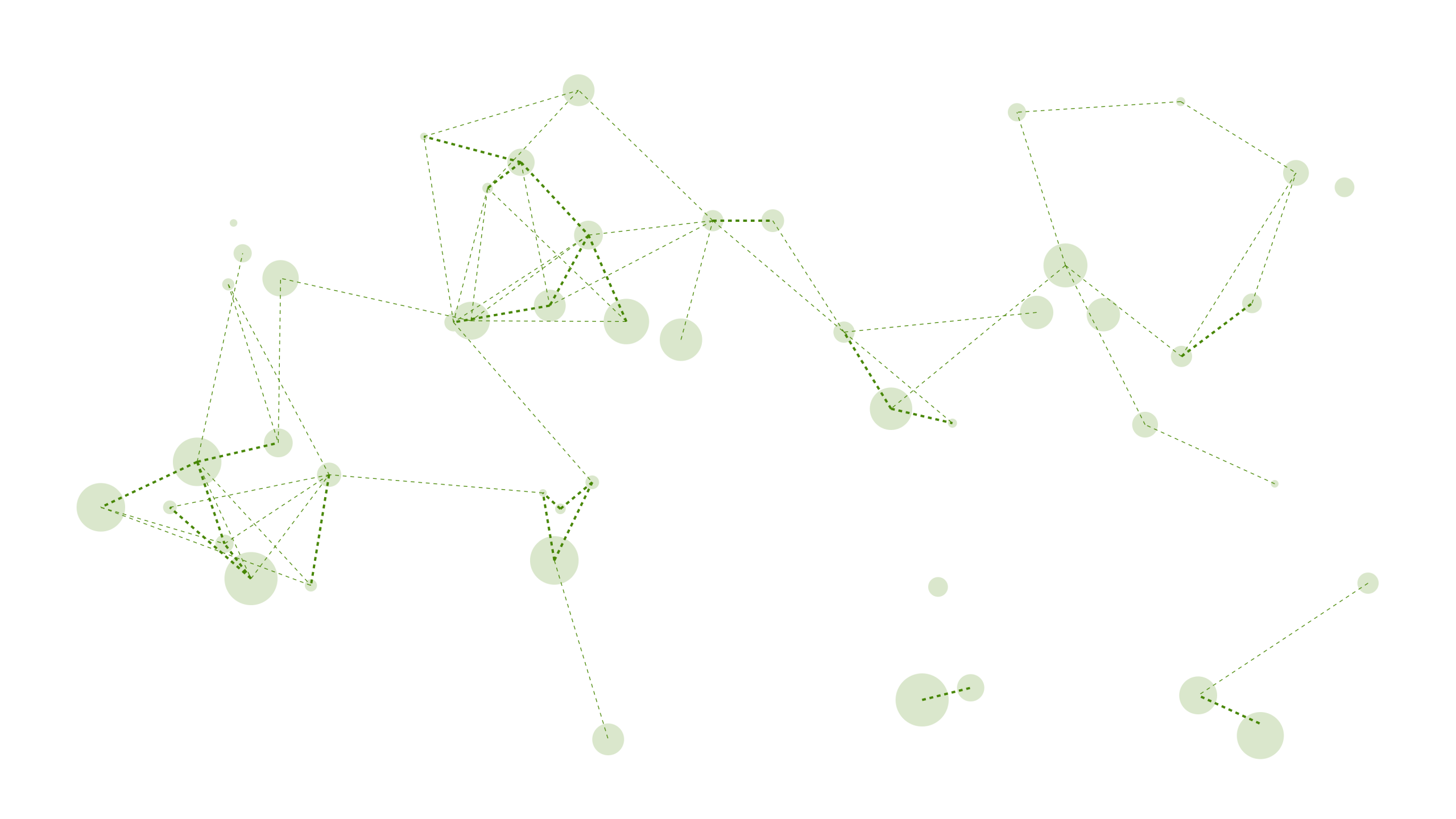
Google discovered how to generate millions of high-quality query reformulations without human input by literally traversing the mathematical space between queries and their target documents. Here’s How it Works This generated 863,307 training examples for a query suggestion model (qsT5) that outperforms all existing baselines. Query Decoder + Latent Space Traversal Step 1: Build a…
-

Advanced Interpretability Techniques for Tracing LLM Activations
Activation Logging and Internal State Monitoring One foundational approach is activation logging, which involves recording the internal activations (neuron outputs, attention patterns, etc.) of a model during its forward pass. By inspecting these activations, researchers can identify which parts of the network are highly active or contributing to a given output. Many open-source transformer models…
-
Cross-Model Circuit Analysis: Gemini vs. Gemma Comparison Framework
1. Introduction Understanding the similarities and differences in how different large language models represent and prioritize brand information can provide crucial insights for developing robust, transferable brand positioning strategies. This framework outlines a systematic approach for comparative circuit analysis between Google’s Gemini and Gemma model families, with the goal of identifying universal brand-relevant circuits and…
-

Neural Circuit Analysis Framework for Brand Mention Optimization
Leveraging Open-Weight Models for Mechanistic Brand Positioning 1. Introduction While our previous methodology treated language models as black boxes, open-weight models like Gemma 3 Instruct provide unprecedented opportunities for direct observation and manipulation of internal model mechanics. This framework extends our previous methodology by incorporating direct neural circuit analysis, allowing for precise identification and targeting…
-
Strategic Brand Positioning in LLMs: A Methodological Framework for Prompt Engineering and Model Behavior Analysis
Abstract This paper presents a novel methodological framework for systematically analyzing and optimizing the conditions under which large language models (LLMs) generate favorable brand mentions. By employing a structured probing technique that examines prompt variations, completion thresholds, and linguistic pivot points, this research establishes a replicable process for identifying high-confidence prompting patterns. The methodology enables…
-

Beyond Rank Tracking: Analyzing Brand Perceptions Through Language Model Association Networks
This post is based on the codebase and specifications for AI Rank, an AI visibility and rank tracking framework developed by DEJAN AI team: https://airank.dejan.ai/ Abstract: Traditional SEO has long relied on rank tracking as a primary metric of online visibility. However, modern search engines, increasingly driven by large language models (LLMs), are evolving beyond…