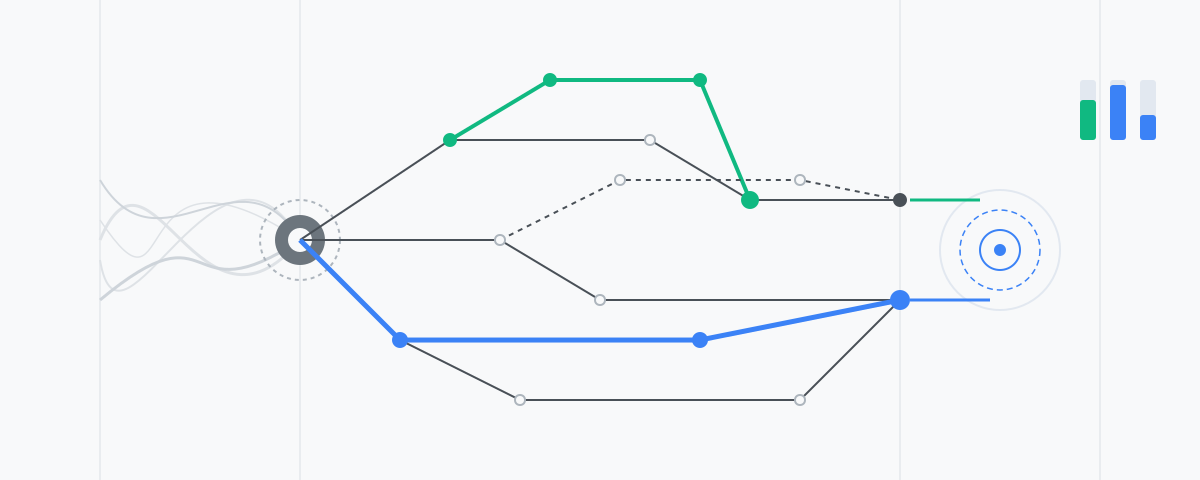
OpenAI research on sparse circuits shows AI models can be built with fewer connections, making them more interpretable and easier to analyze for AI SEO.
OpenAI recently released research showing that AI models can be built with far fewer active connections inside them. This makes them easier to understand because each part of the model does fewer things and is less tangled up with everything else. Think of it like taking a spaghetti bowl and straightening the noodles into clean, separate strands.
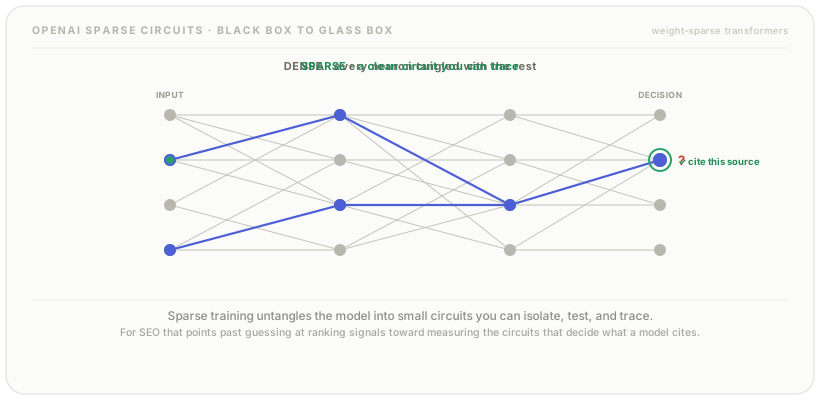
Why does this matter? Because AI search engines like ChatGPT, Perplexity, Gemini and eventually Google Search use models that make decisions about which brands, answers and sources to show. If we understand how the model thinks internally, we can better understand why it prefers some sources over others, and how to influence these preferences through better content, clearer signals and stronger entity strategies.
OpenAI’s research shows that:
For AI SEO, this is the direction we’ve been predicting: moving from guessing what an AI model prefers to actually measuring and analysing the internal structures that influence brand visibility. This pushes SEO into a new domain—less about “ranking signals” and more about “latent circuits” shaping how models choose, cite and trust content.
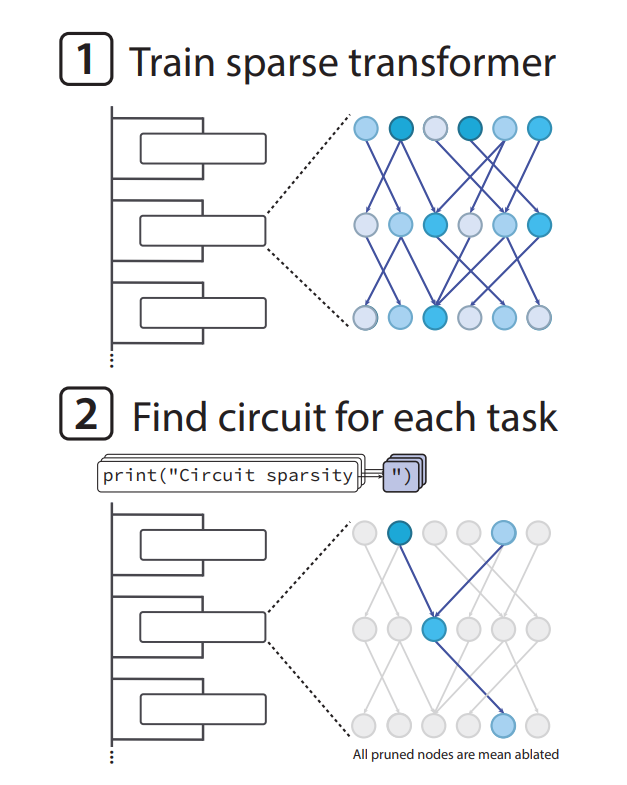
Traditional transformers are dense: every neuron influences many others, and it’s difficult to identify which internal component does what. OpenAI takes the opposite approach: train the model so most weights are zero. This forces the model to develop clean, minimal pathways for specific tasks.
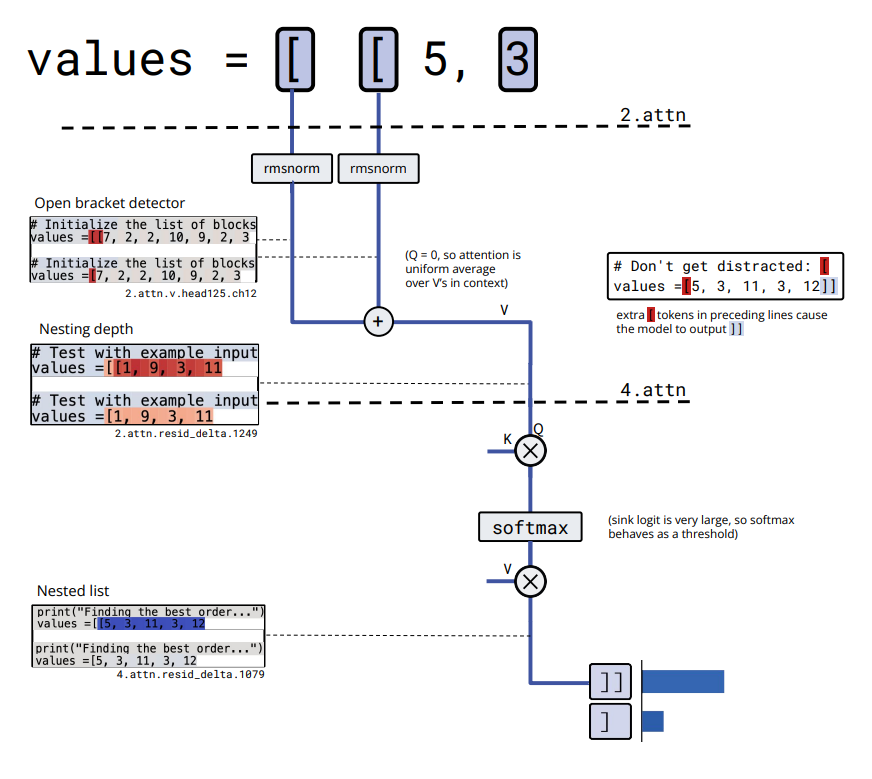
The result is a set of “sparse circuits”—small subgraphs of the model that are both necessary and sufficient for a particular behaviour.
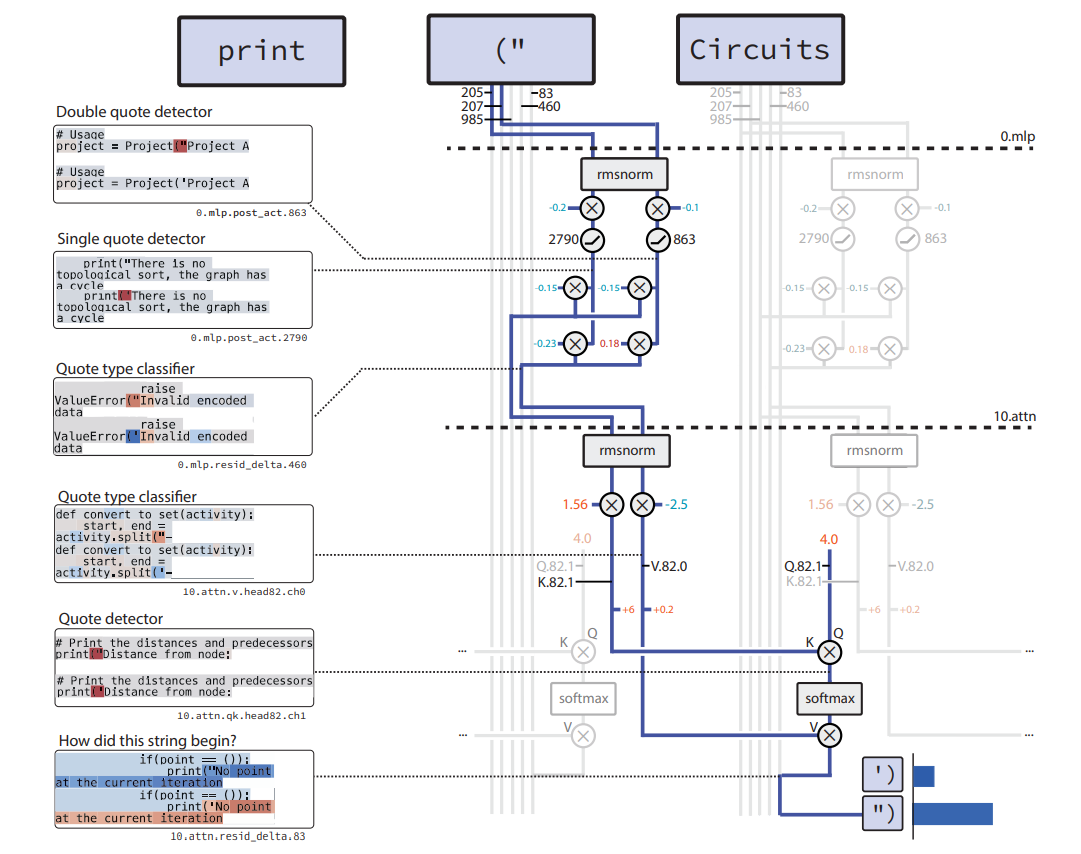
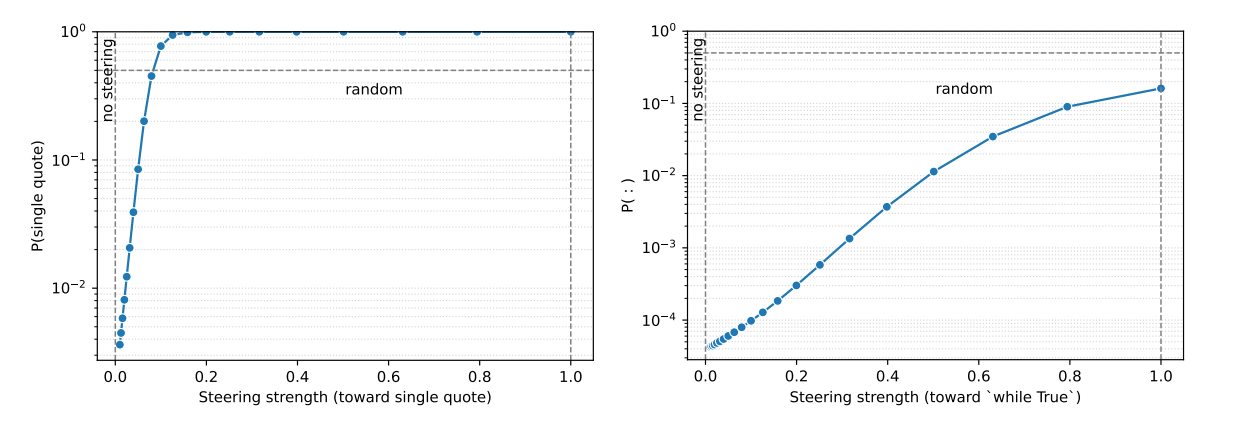
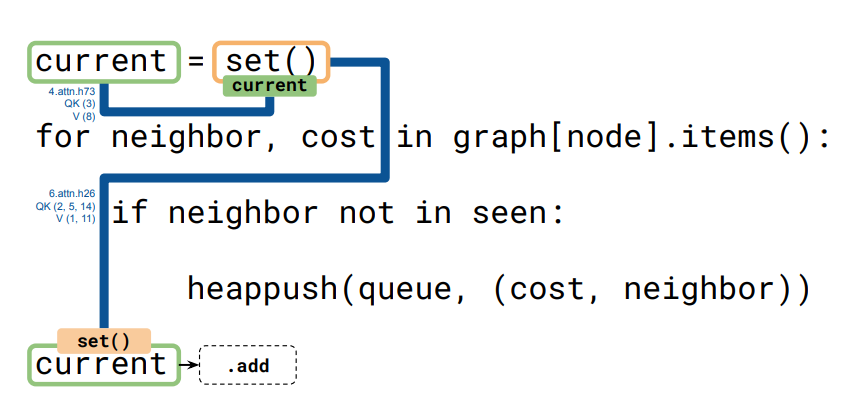
The researchers used algorithmic tasks (e.g. matching quotation marks in Python code) because these tasks have unambiguous rules. This allows them to identify exactly which neurons and attention heads implement the behaviour.
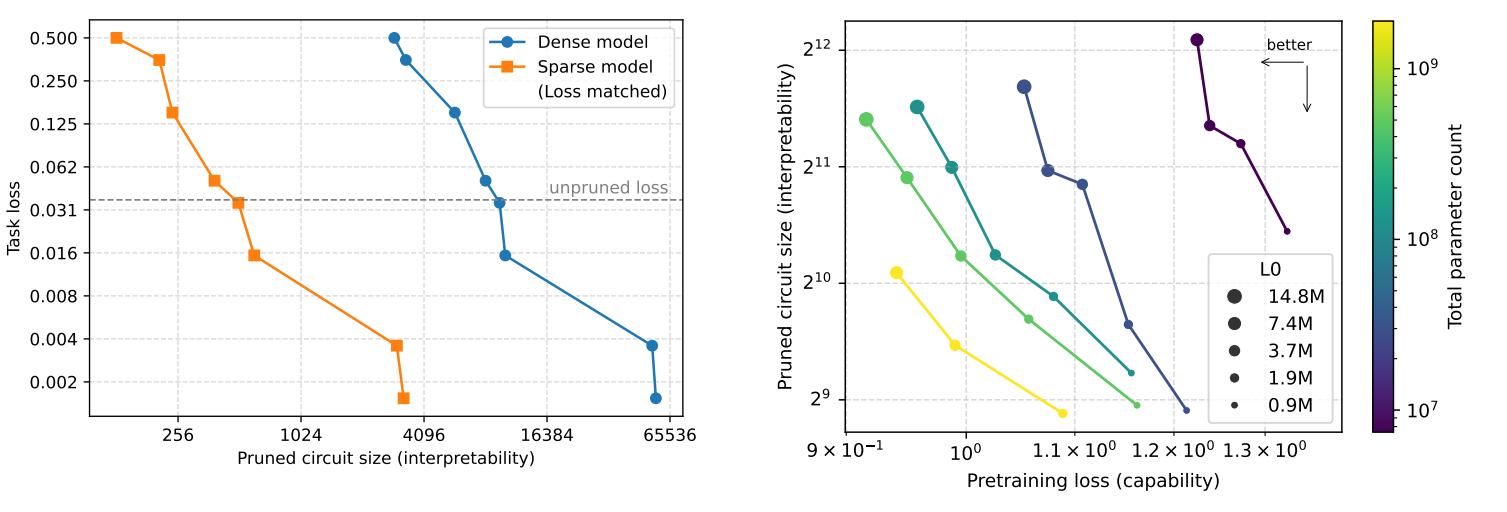
When they prune the model to only the essential connections:
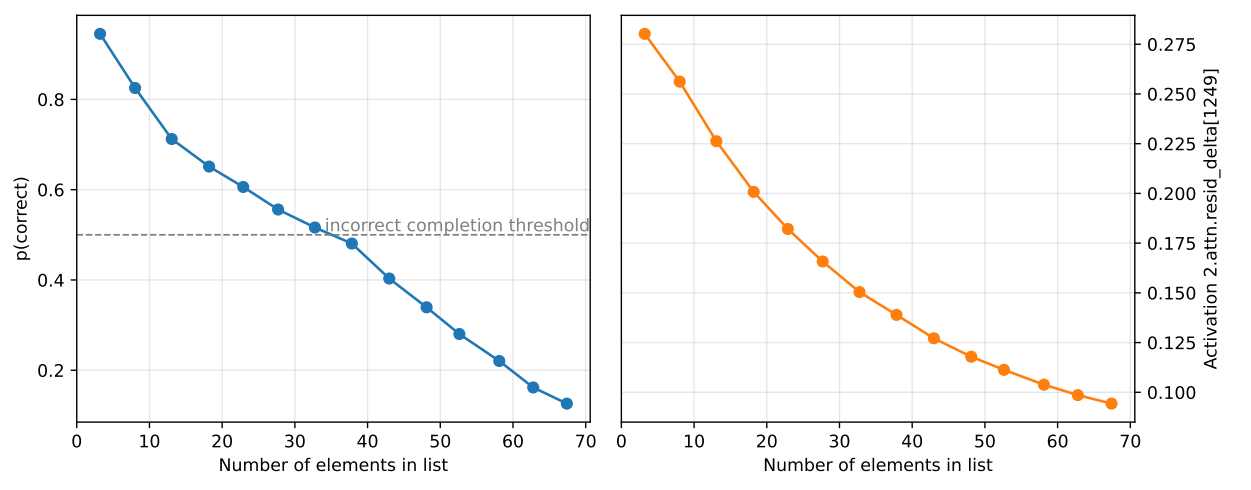
This is the clearest evidence so far that transformer models contain genuine, discrete computational structures comparable to small programs.
There are two main ways to interpret models:
Chain-of-thought is useful but does not show how the model really works. Mechanistic interpretability does. Sparse circuits make this approach feasible, scalable and testable.
AI search engines rely on internal model behaviour to choose what content to surface, which brands to trust, and which sources to cite. Understanding those behaviours at the circuit level means we can:
This shifts AI SEO from surface-level tactics into model-level strategy. Instead of guessing what the model wants, we analyse how the model actually computes relevance and trust.
Sparse circuits open a new practical workflow:
This eventually becomes the backbone of advanced AI SEO audits and brand influence strategies.
Models used for content detection, spam classification, query ranking and summarisation can become safer and more accurate when we understand their internal circuits.
For example:
Sparse circuits reduce ambiguity and allow precise correction.
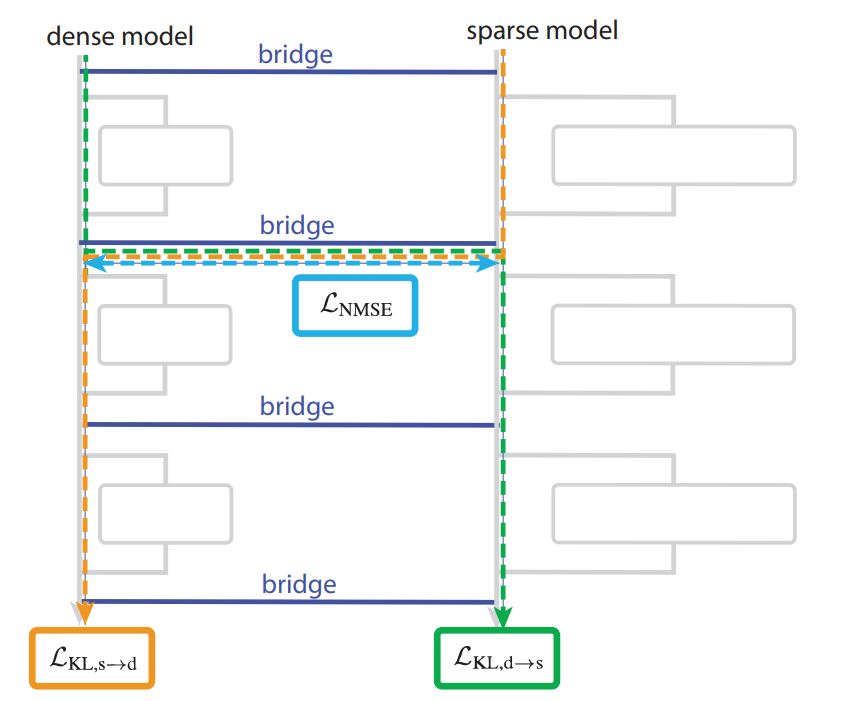
The long-term trajectory is clear: models will remain large and dense at production scale, but smaller, sparse, interpretable versions will be extracted to help us understand and evaluate the big models’ behaviour.
This gives SEO teams realistic tooling for:
The direction of travel is away from “black box SEO” and toward an engineering discipline based on measurable signals inside the model itself.
OpenAI’s sparse-circuit work demonstrates that AI behaviours are not mystical or opaque: they are implemented by small, discoverable, modifiable computational structures. For AI SEO, this unlocks a future where we can diagnose visibility issues precisely, influence model behaviour strategically, and build reliable AI tools with transparent internal workings.
Source: https://github.com/openai/circuit_sparsity/
Article: https://openai.com/index/understanding-neural-networks-through-sparse-circuits/
Advanced Interpretability Techniques for Tracing LLM Activations
Cross-Model Circuit Analysis: Gemini vs. Gemma Comparison Framework
Neural Circuit Analysis Framework for Brand Mention Optimization
Strategic Brand Positioning in LLMs: A Methodological Framework for Prompt Engineering and Model Behavior Analysis
 Dan Petrovic ·
14 November 2025
Dan Petrovic ·
14 November 2025