 Dan Petrovic ·
12 August 2024
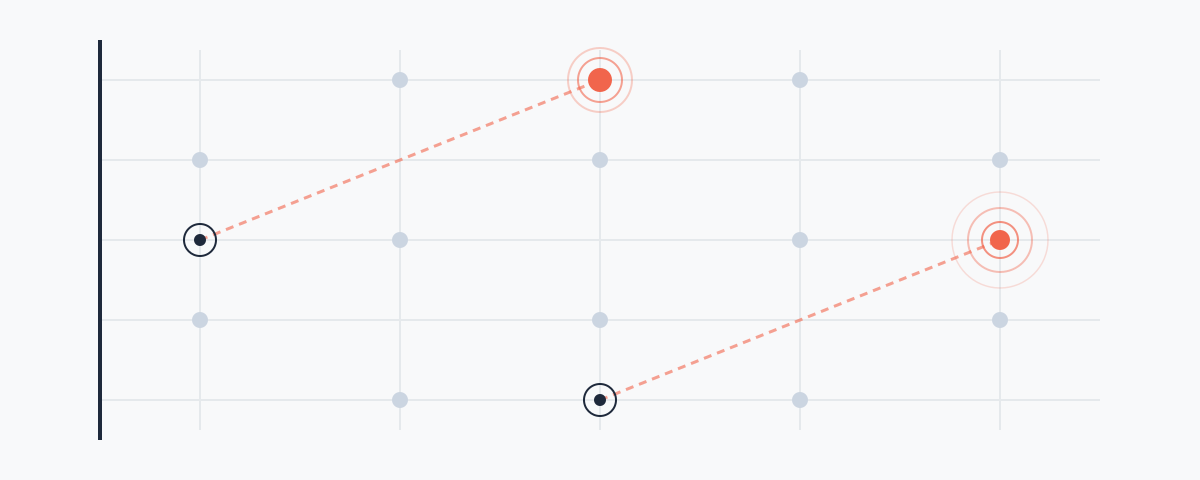
A novel approach to address this involves boosting rare features within the embedding space to improve re-ranking.
However, this conventional method tends to favor features that are common across many documents. While this can surface broadly relevant results, it risks overlooking documents with rare, yet potentially more significant, features.
This boosting process involves the following steps:
Embedding Generation
The query and documents are converted into embeddings using a pre-trained model.
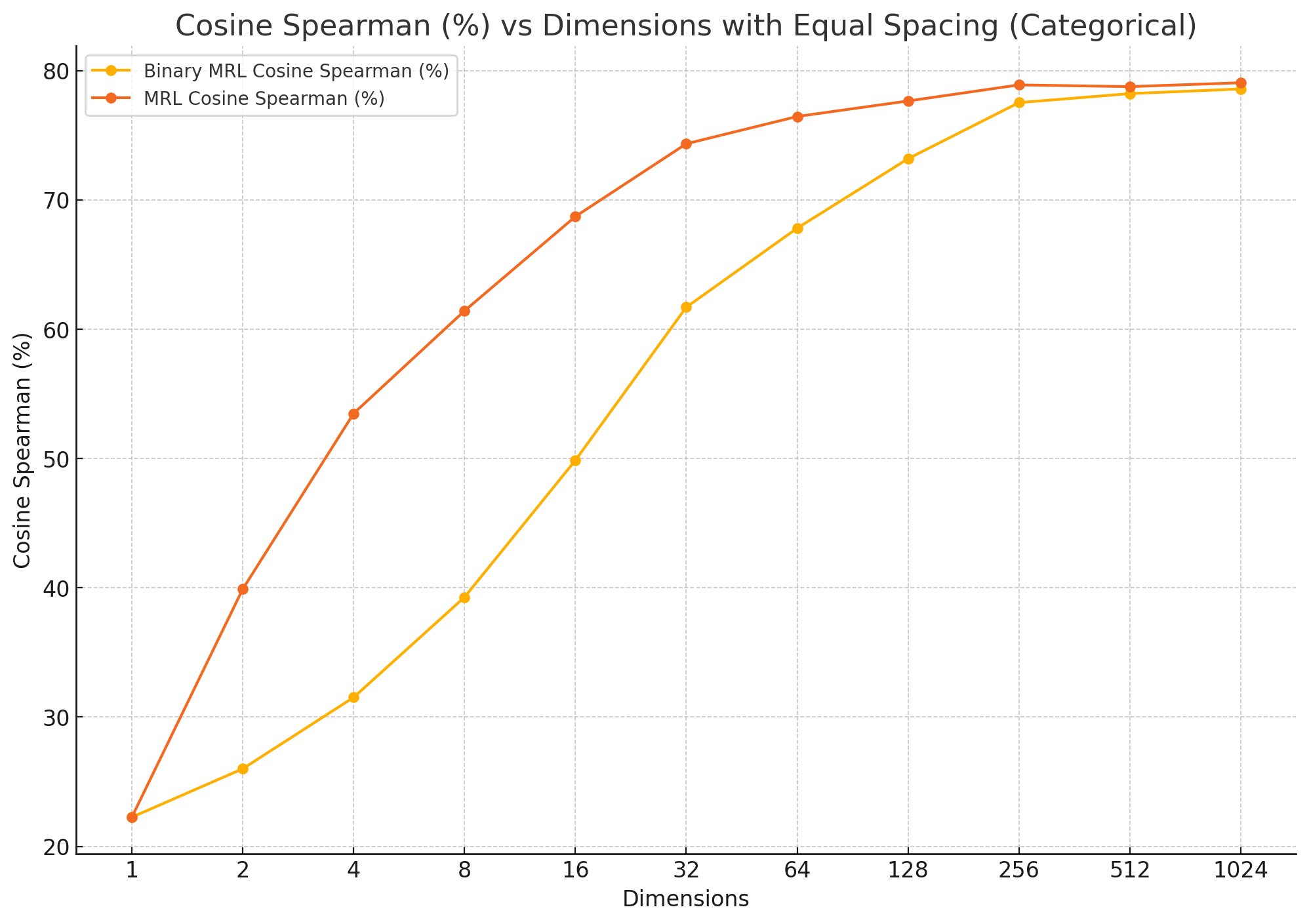
Binary Quantization and MRL Truncation
These techniques are used to compress the embeddings, making the process more efficient while retaining the essential information.
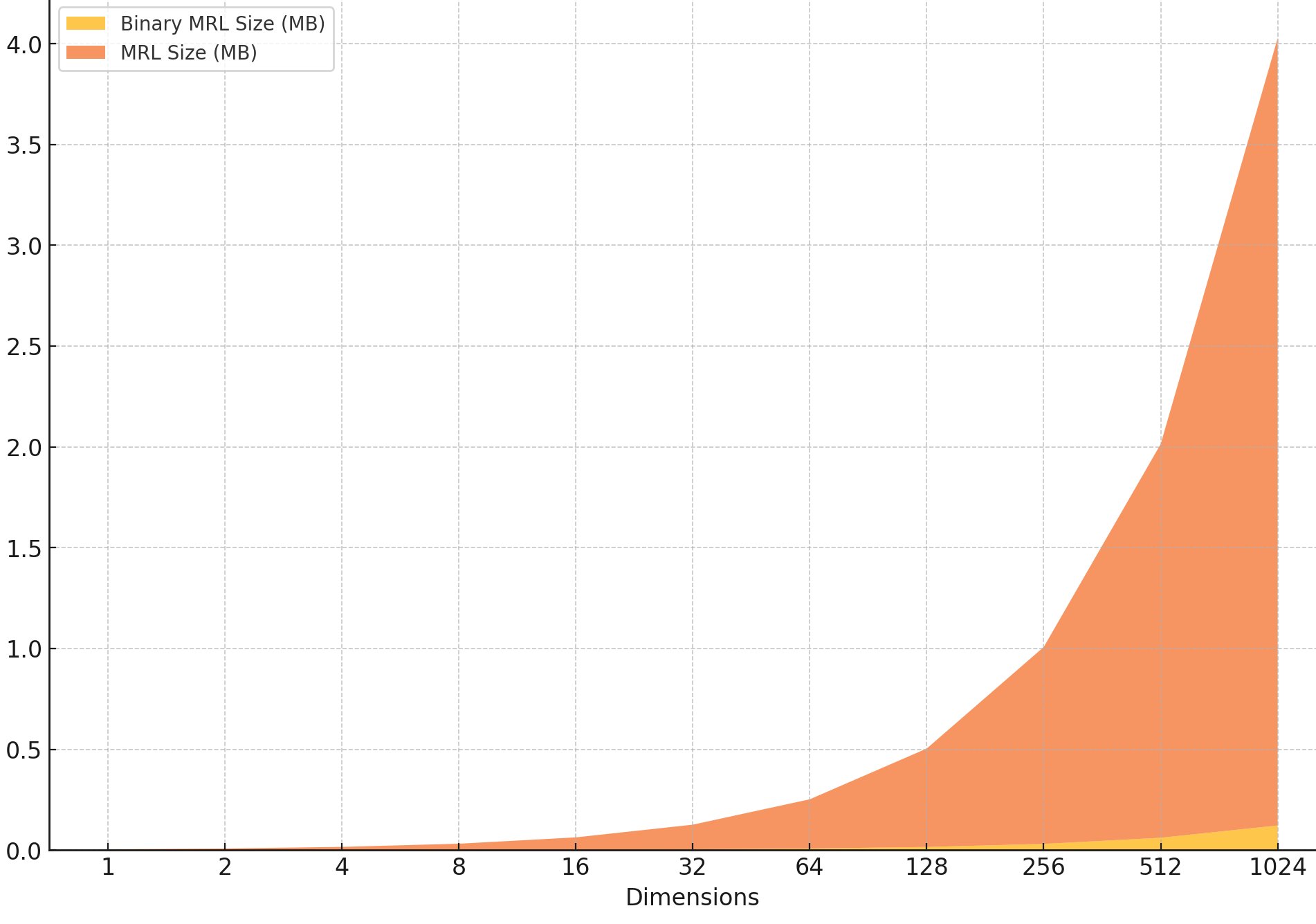
Feature Frequency Calculation
The frequency of each feature across all document embeddings is calculated. Features that appear less frequently are identified as rare.
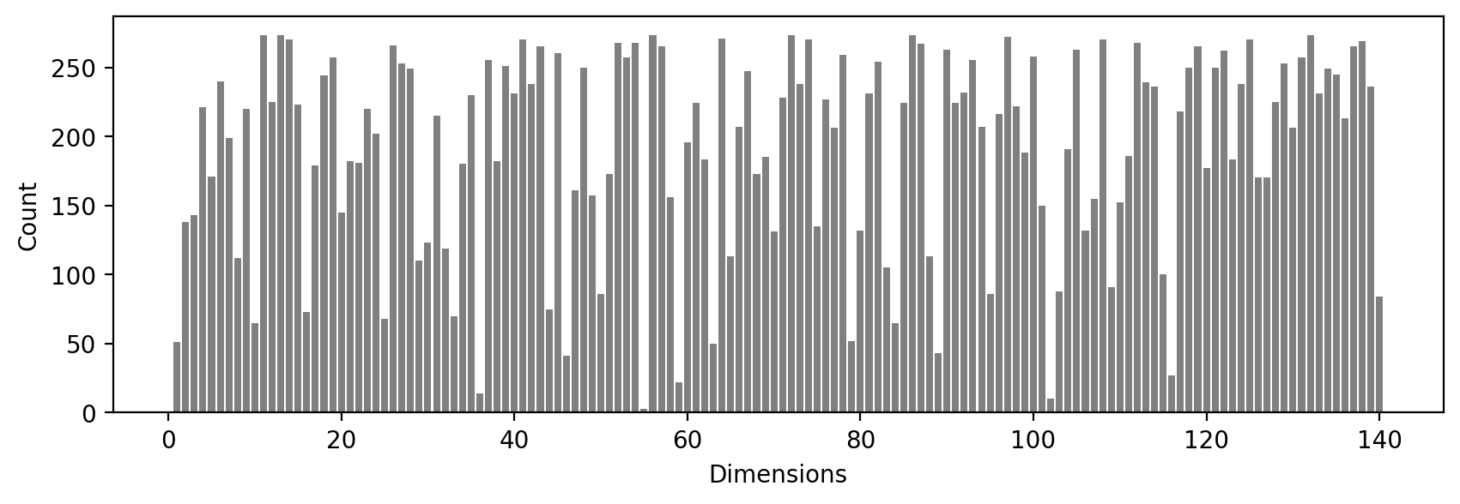
Bidirectional Scaling
The embeddings are adjusted by scaling up the importance of rare features. This is done using a scale factor that increases the weight of these features in the similarity calculation. This technique adjusts the embeddings by promoting rare features, enhancing their impact on the final similarity score while implicitly reducing the impact of the more common features.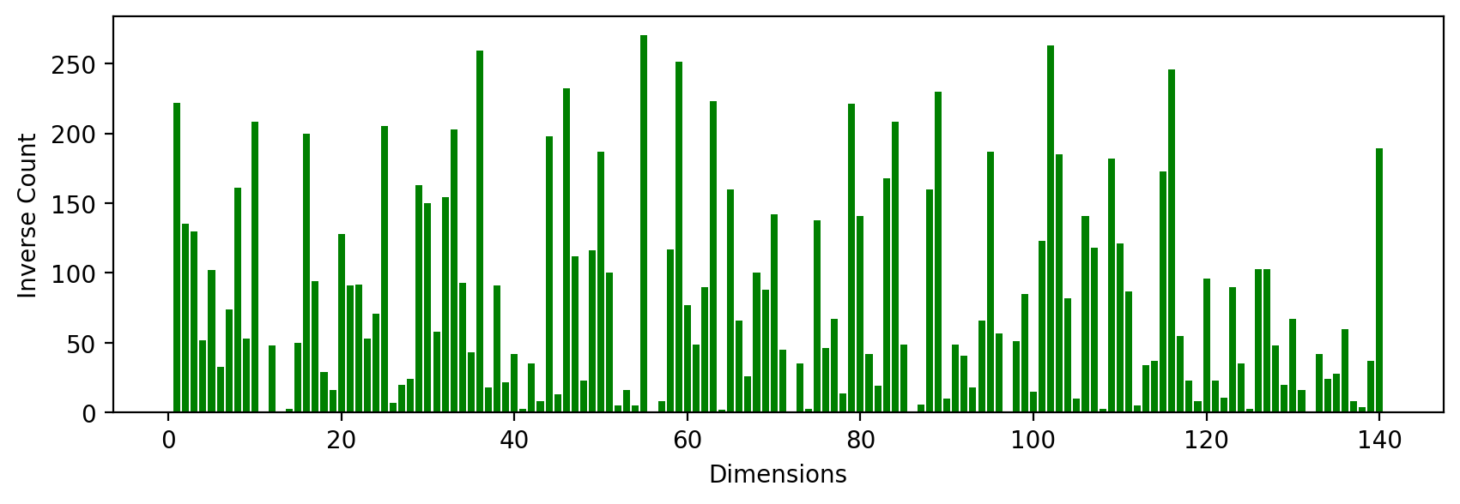
Re-ranking
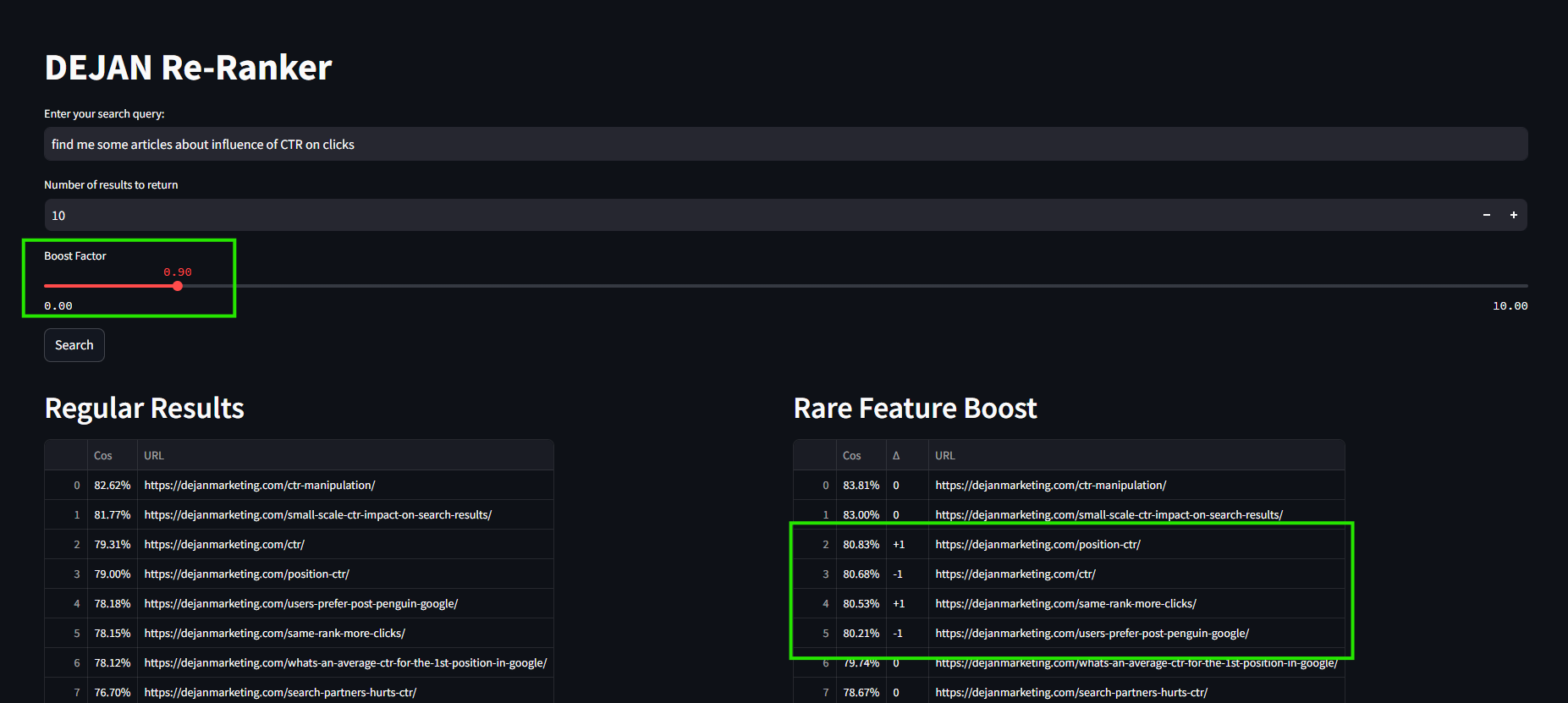
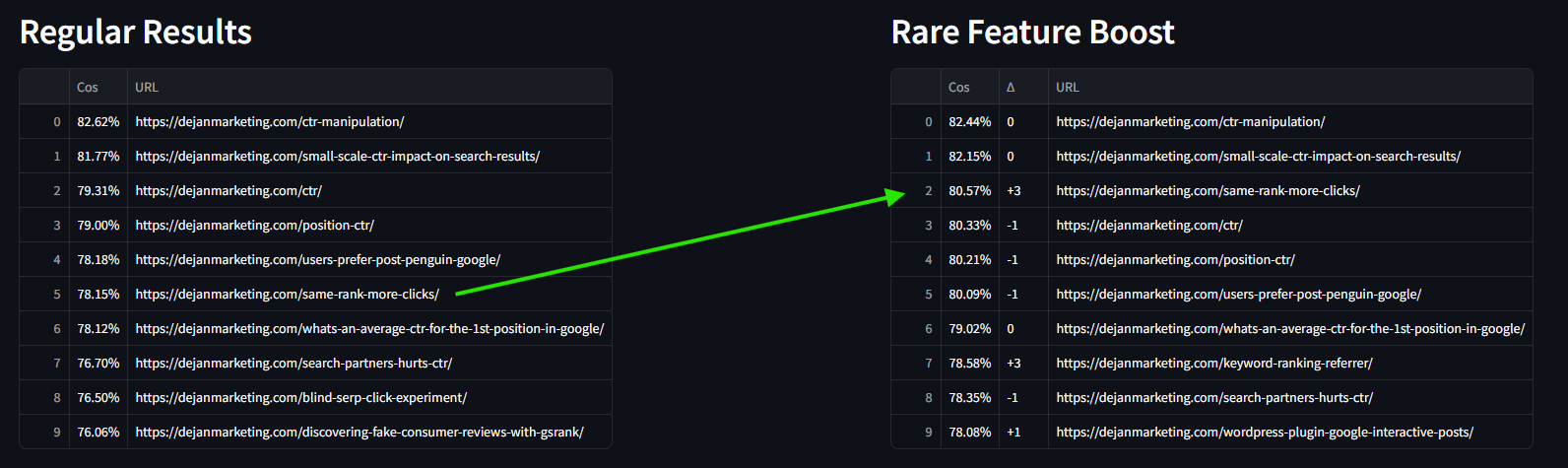
The documents are re-ranked based on the adjusted similarity scores, which now prioritize documents with a higher presence of rare features matching the query.
Visualization and Analysis
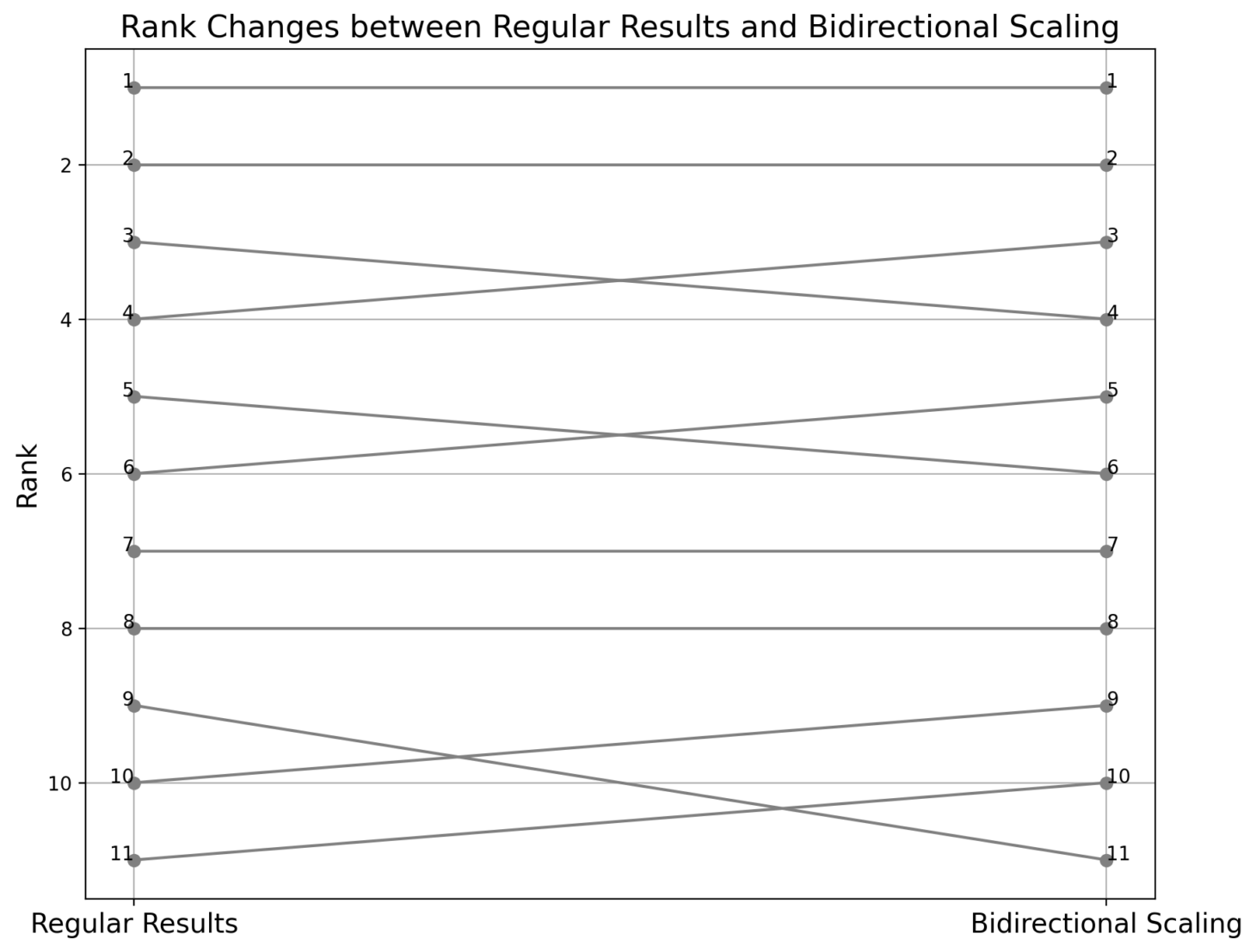
Tools like rank change visualization and feature frequency plots help in understanding how the re-ranking affects the results and in fine-tuning the scaling process.
Boosting rare features in the re-ranking process is a powerful method for improving the quality of search results. It addresses the limitations of traditional ranking algorithms by ensuring that unique and relevant content is more likely to appear at the top of the search results.
Papers: