
Category: SEO
-

Another failed attempt to kill SEO
If Marie Haynes, Barry Schwartz or Cindy Krum had written an article declaring SEO dead and proposing we rebrand our industry you’d seriously consider it. Wouldn’t you? What about Zach Cohen and Seema Amble? I don’t know either. Looked them up just now. Two VC people with insignificant footprint or long-term interest in SEO, Machine…
-
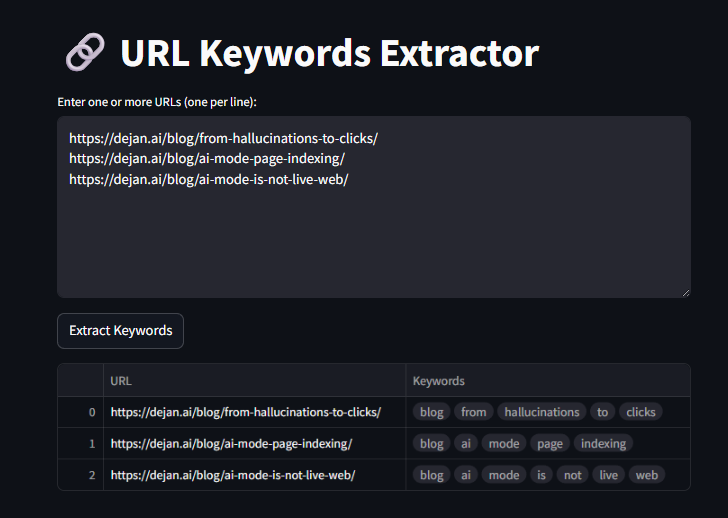
From Hallucinations to Clicks
Anastasia Kotsiubynska proposed a method to repurpose LLM-hallucinated URLs and set up redirects from hallucinated 404 instances with more than one session to most similar valid 200 pages. I really like this, but since I work on websites with many millions of pages where volumes of hallucinated URLs are typically beyond the scope of manual…
-

What is GEO?
GEO stands for Generative Engine Optimisation, an acronym easily confused with, the well-established “geo-” prefix commonly associated with Geosciences. What is a ‘Generative Engine’? Generative engine is recently made up term by the marketing community in an attempt to rename Chatbots, more recently known as AI Assistants including ChatGPT, Claude, Grok, Gemini and Perplexity. Basically…
-
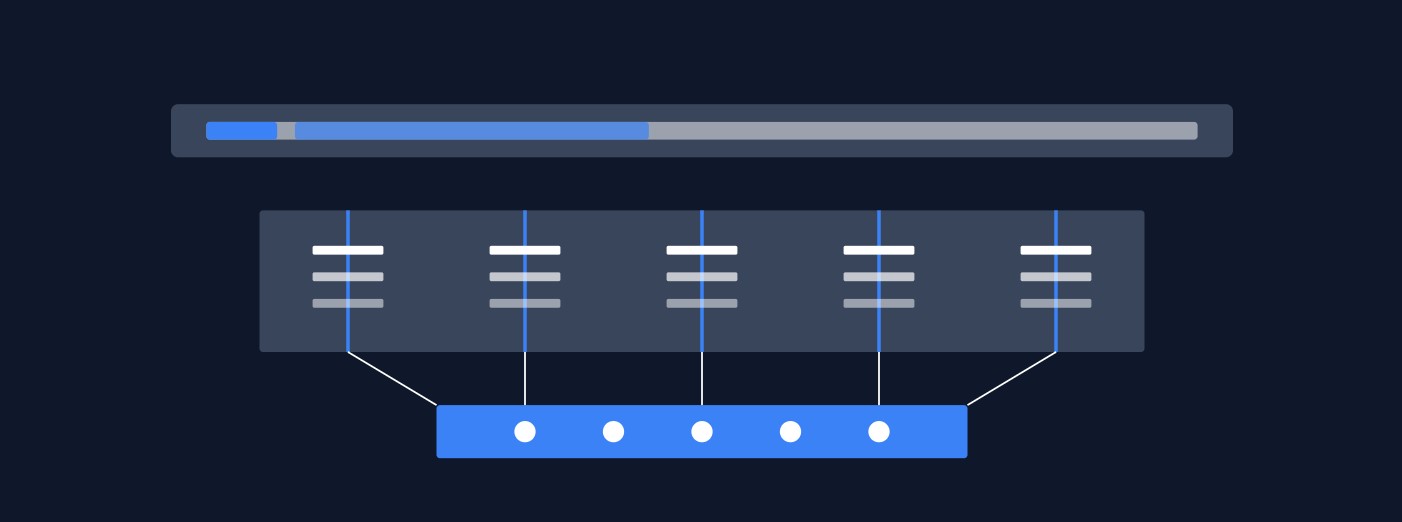
Google’s New URL Context Tool
Google’s just released a new system which allows Gemini to fetch text directly from a supplied page. OpenAI had this ability for a while now, but for Google, this is completely new. Previously their models were limited to the Search Grounding tool alone. Gemini now employs a combination of tools and processes with the ability…
-

How Google grounds its LLM, Gemini.
In previous analyses (Gemini System Prompt Breakdown, Google’s Grounding Decision Process, and Hacking Gemini), we uncovered key aspects of how Google’s Gemini large language model verifies its responses through external grounding. A recent accidental exposure has provided deeper insights into Google’s internal processes, confirming and significantly expanding our earlier findings. Accidental Exposure of Gemini’s Grounding…
-

Google Lens Modes
lns_mode is a parameter that classifies Google Lens queries into text, un (unimodal), or mu (multimodal). Google Lens has quietly become one of the most advanced visual search tools in the world. Behind the scenes, it works by constructing detailed, context-rich search queries that include a growing set of parameters. One of the newest additions…
-
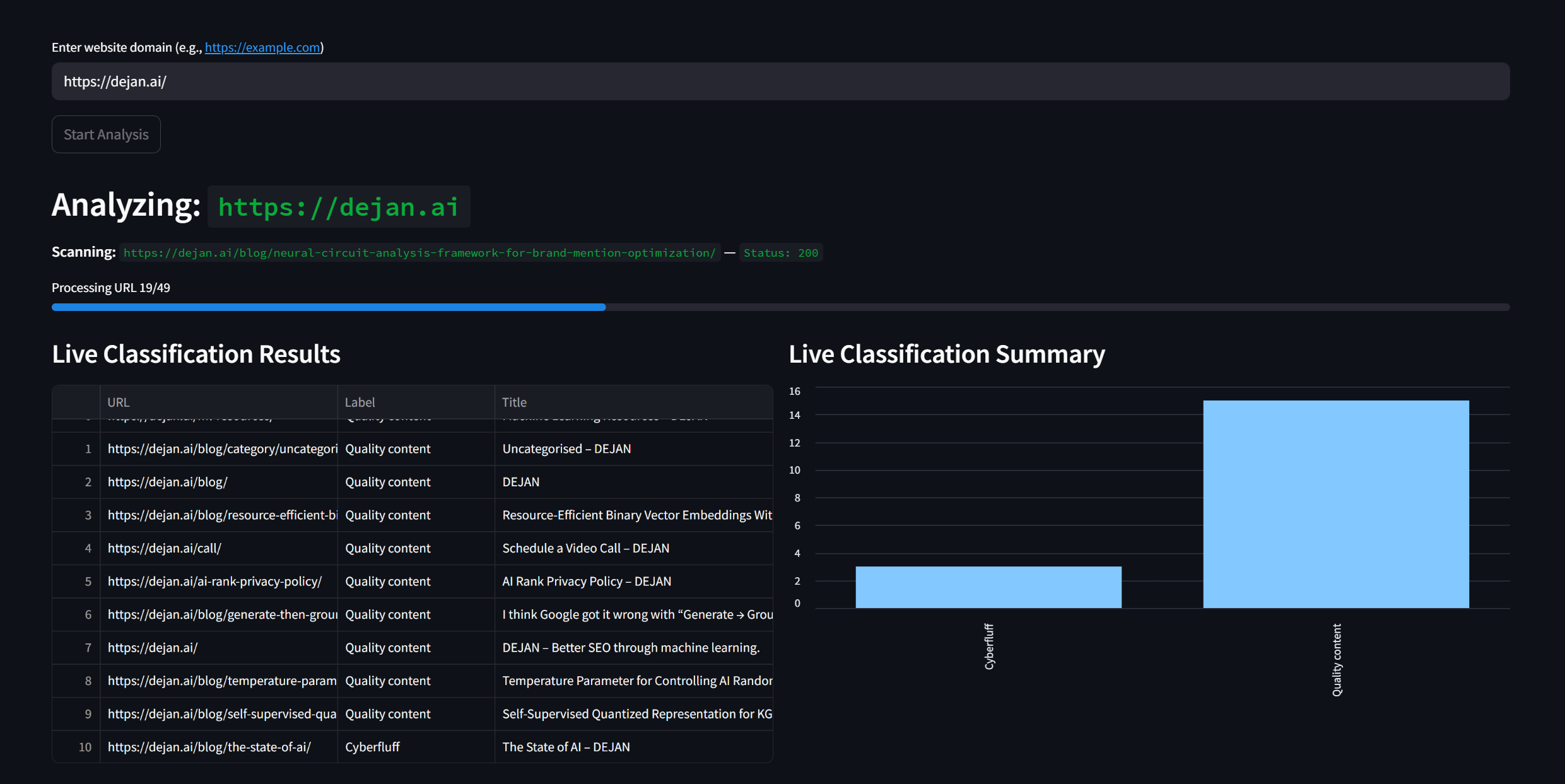
Content Substance Classification
Demo: https://dejan.ai/tools/substance/ Preface In 1951, Isaac Asimov proposed an NLP method called Symbolic Logic Analysis (SLA) where text is reduced to its essential logical components. This method involves breaking down sentences into symbolic forms, allowing for a precise examination of salience and semantics analogous to contemporary transformer-based NER (named entity recognition) and summarisation techniques. In…
-
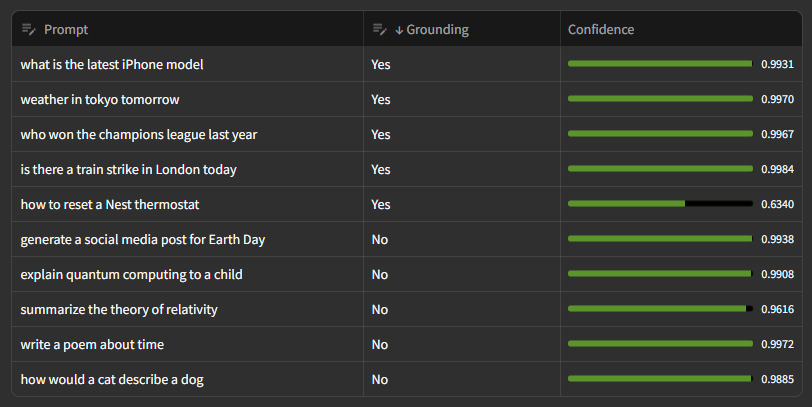
Introducing Grounding Classifier
Using the same tech behind AI Rank, we prompted Google’s latest Gemini 2.5 Pro model with search grounding enabled in the API request. A total of 10,000 prompts were collected and analysed to determine the grounding status of the prompt. The resulting data was then used to train a replica of Google’s internal classifier which…
-

How Google Decides When to Use Gemini Grounding for User Queries
Google’s Gemini models are designed to provide users with accurate, timely, and trustworthy responses. A key innovation in this process is grounding, the ability to enhance model responses by anchoring them to up-to-date information from Google Search. However, not every query benefits from grounding, and Google has implemented a smart mechanism to decide when to…
-
The Next Chapter of Search: Get Ready to Influence the Robots
It’s an exciting time to be in SEO. Honestly, it feels like 2006 all over again – a period of rapid change, innovation, and frankly, a whole lot of fun. For a while there, things had gotten a little… predictable. Technical SEO, keyword research, competitor analysis, link building, schema… it was all necessary, of course,…