
Category: Google
-
Live Blog: Hacking Gemini Embeddings
Prompted by Darwin Santos on the 22th of May and a few days later by Dan Hickley, I had no choice but to jump on this experiment, it’s just too fun to skip. Especially now that I’m aware of the Gemini embedding model. The objective is to do reproduce the claims of this research paper…
-

Google’s New URL Context Tool
Google’s just released a new system which allows Gemini to fetch text directly from a supplied page. OpenAI had this ability for a while now, but for Google, this is completely new. Previously their models were limited to the Search Grounding tool alone. Gemini now employs a combination of tools and processes with the ability…
-

How Google grounds its LLM, Gemini.
In previous analyses (Gemini System Prompt Breakdown, Google’s Grounding Decision Process, and Hacking Gemini), we uncovered key aspects of how Google’s Gemini large language model verifies its responses through external grounding. A recent accidental exposure has provided deeper insights into Google’s internal processes, confirming and significantly expanding our earlier findings. Accidental Exposure of Gemini’s Grounding…
-

Google Lens Modes
lns_mode is a parameter that classifies Google Lens queries into text, un (unimodal), or mu (multimodal). Google Lens has quietly become one of the most advanced visual search tools in the world. Behind the scenes, it works by constructing detailed, context-rich search queries that include a growing set of parameters. One of the newest additions…
-
Chrome’s New Embedding Model: Smaller, Faster, Same Quality
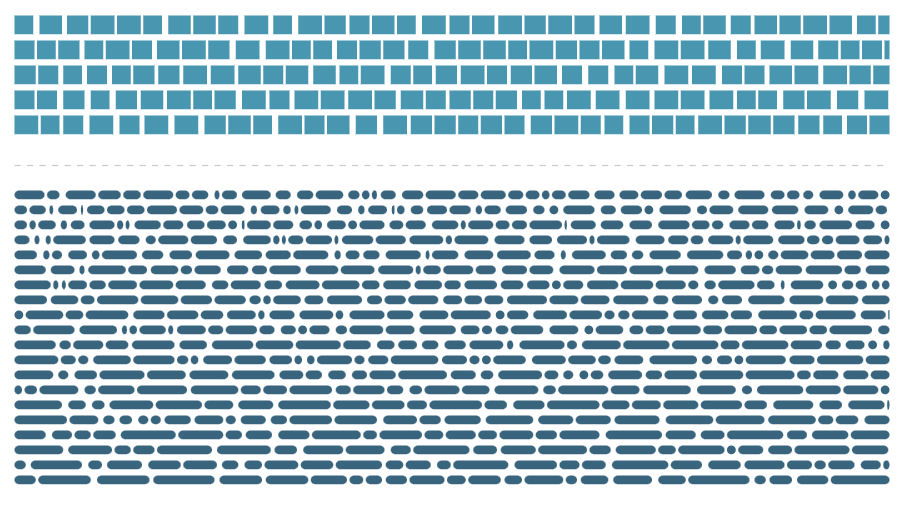
TL;DR Discovery and Extraction During routine analysis of Chrome’s binary components, I discovered a new version of the embedding model in the browser’s optimization guide directory. This model is used for history clustering and semantic search. Model directory: Technical Analysis Methodology To analyze the models, I developed a multi-faceted testing approach: Key Findings 1. Architecture…
-
I think Google got it wrong with “Generate → Ground” approach.
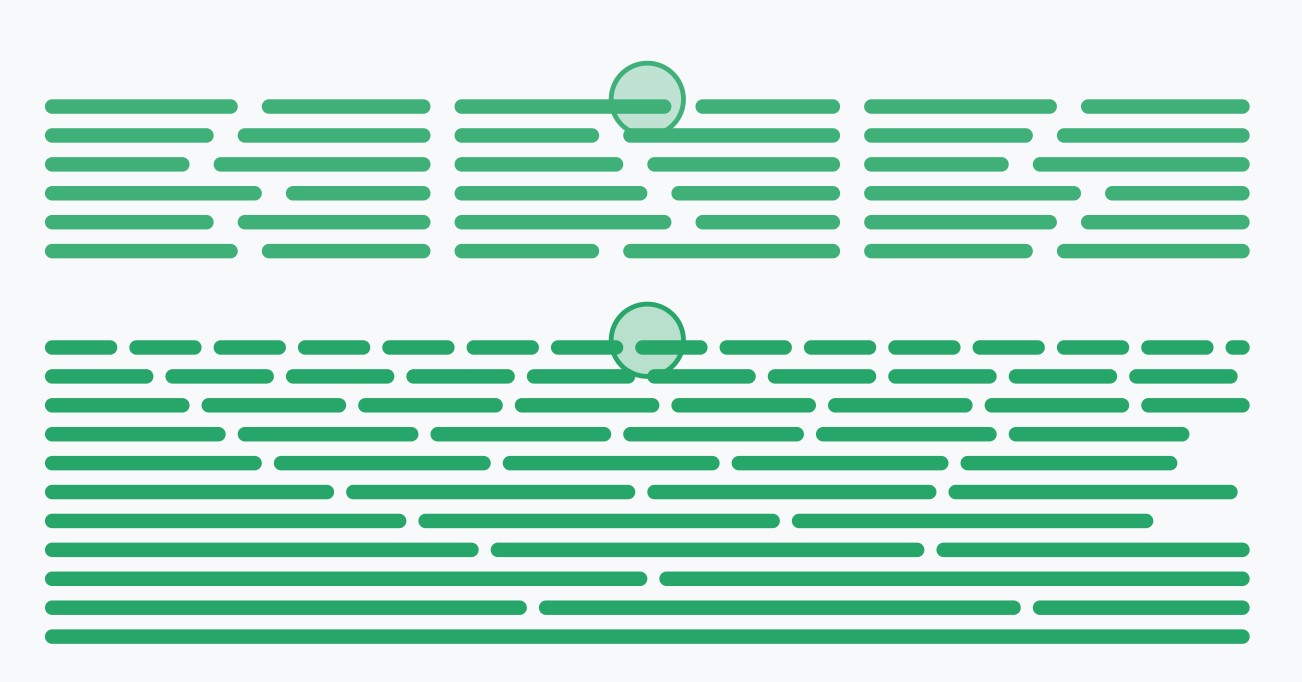
Grounding Should Come Before Generation Google’s RARR (Retrofit Attribution using Research and Revision) is a clever but fragile Band‑Aid for LLM hallucinations. Today I want to zoom out and contrast that generate → ground philosophy with a retrieval‑first alternative that’s already proving more robust in production. Quick Recap: What RARR Tries to Do Great for retro‑fitting citations onto an existing model;…
-
Introducing Grounding Classifier
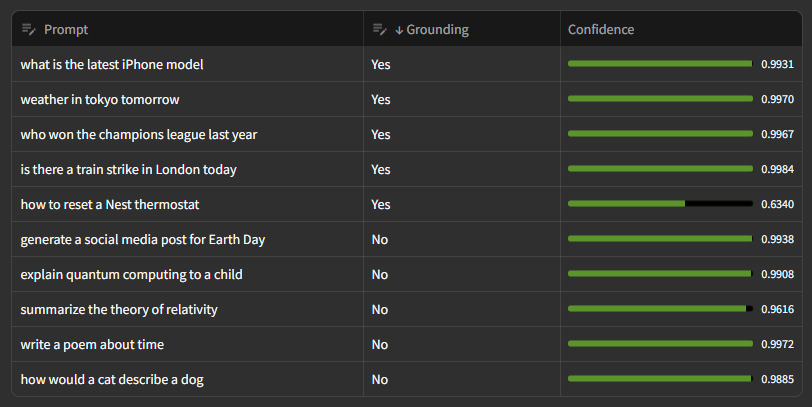
Using the same tech behind AI Rank, we prompted Google’s latest Gemini 2.5 Pro model with search grounding enabled in the API request. A total of 10,000 prompts were collected and analysed to determine the grounding status of the prompt. The resulting data was then used to train a replica of Google’s internal classifier which…
-
How Google Decides When to Use Gemini Grounding for User Queries
Google’s Gemini models are designed to provide users with accurate, timely, and trustworthy responses. A key innovation in this process is grounding, the ability to enhance model responses by anchoring them to up-to-date information from Google Search. However, not every query benefits from grounding, and Google has implemented a smart mechanism to decide when to…
-

AlexNet: The Deep Learning Breakthrough That Reshaped Google’s AI Strategy
When Google, in collaboration with the Computer History Museum, open-sourced the original AlexNet source code, it marked a significant moment in the history of artificial intelligence. AlexNet was more than just an academic breakthrough; it was the tipping point that launched deep learning into mainstream AI research and reshaped the future of companies like Google.…
-
The Next Chapter of Search: Get Ready to Influence the Robots
It’s an exciting time to be in SEO. Honestly, it feels like 2006 all over again – a period of rapid change, innovation, and frankly, a whole lot of fun. For a while there, things had gotten a little… predictable. Technical SEO, keyword research, competitor analysis, link building, schema… it was all necessary, of course,…